Planning permission is a crucial step in the development process, ensuring that new buildings and alterations to existing structures meet specific standards and align with local planning policies. However, not all applications are successful. Understanding why planning permission can be rejected is essential for anyone looking to undertake a development project in Barnet. This blog post explores the common reasons for planning permission rejection in Barnet and provides tips on how to address these issues.
One of the primary reasons planning permission is rejected is due to the potential overshadowing of neighbouring properties. Proposals that significantly reduce the natural light available to adjacent buildings are likely to be refused. This ensures that the living conditions of neighbours are not adversely affected by new developments [1][3].
Developments that overlook neighbouring homes, leading to a loss of privacy, are often turned down. This is especially pertinent in residential areas where maintaining the privacy of existing properties is a priority [3].
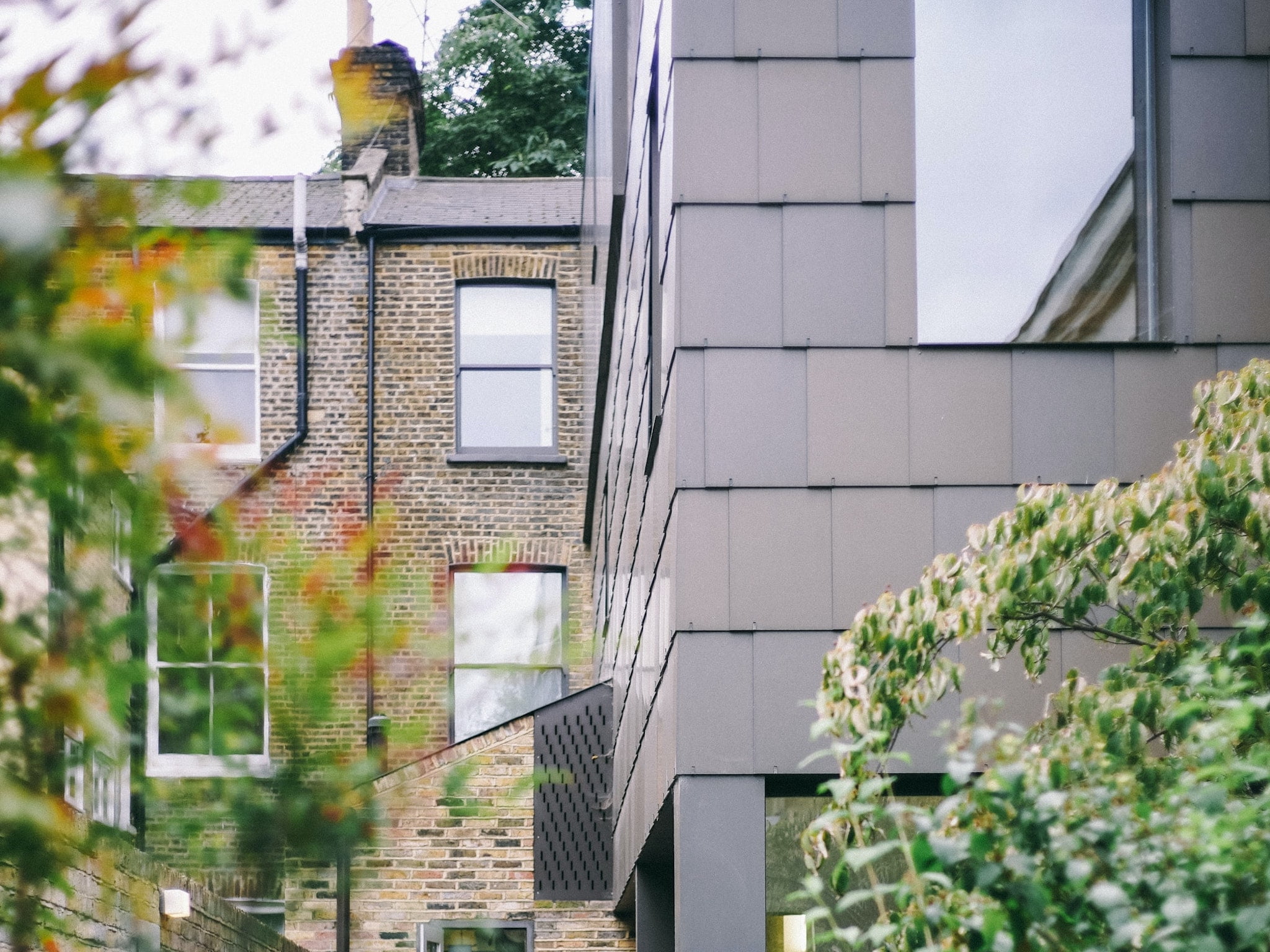
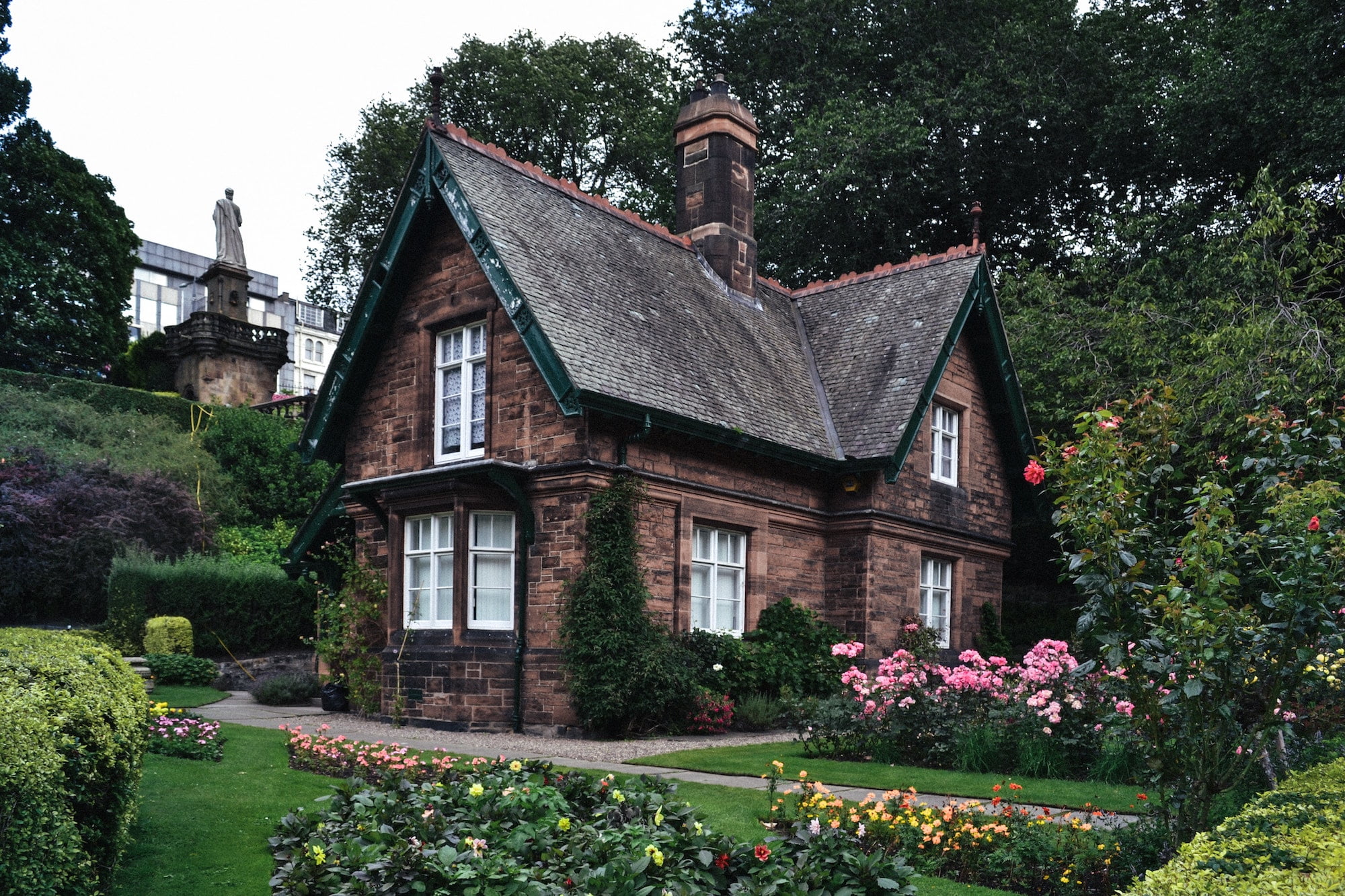
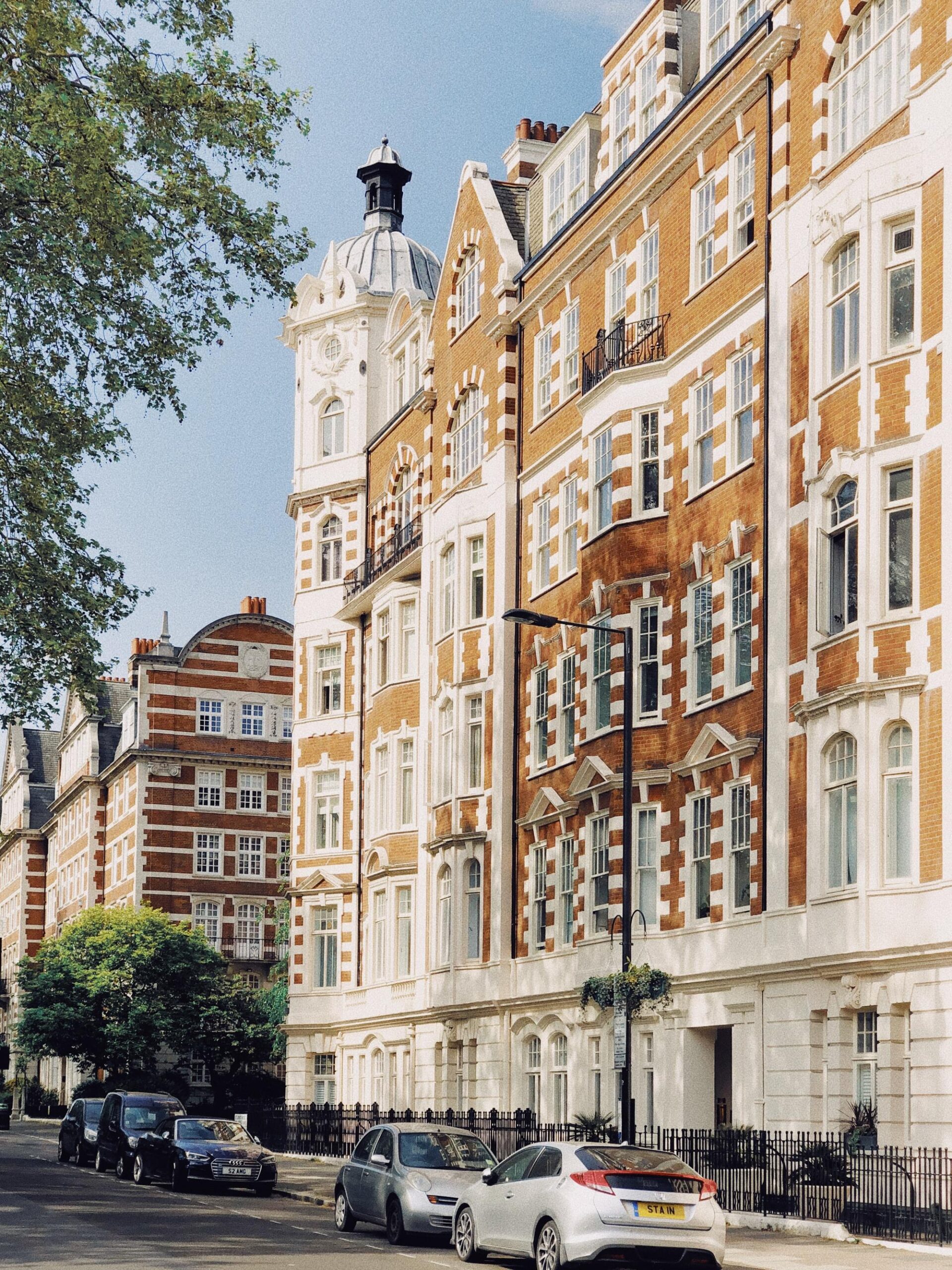
Projects that do not align with the character of the existing property or the surrounding area may be rejected. Barnet, like many other councils, aims to preserve the aesthetic and historical character of its neighbourhoods [3].
Applications that propose excessive development for the size of the site or the area can be refused. Overdevelopment can lead to issues such as overcrowding, insufficient parking, and strain on local infrastructure [3].
If a proposed development negatively impacts road safety or access, it is likely to be rejected. This includes considerations such as increased traffic, dangerous access points, and insufficient parking provisions [3].
Proposals that involve the use of hazardous materials, such as asbestos or lead, are typically refused due to the potential health risks they pose [3].
Developments that adversely affect trees protected by Tree Preservation Orders (TPOs) may be rejected. Barnet Council places a high value on preserving its natural environment [3].
Developments that limit access to roads or create traffic issues are often refused. Ensuring that roads remain accessible and safe is a key consideration in the planning process [3].
Alterations to listed buildings that do not comply with conservation guidelines are likely to be rejected. Preserving the historical and architectural integrity of listed buildings is a priority in Barnet [3].
Projects that harm protected species or habitats, such as those covered by the Wildlife and Countryside Act 1981, are likely to be refused. Environmental considerations are crucial in the planning process [3].
Proposals that do not align with Barnet’s specific planning guidelines and policies are often rejected. Familiarity with local planning policies is essential for a successful application [3].
Incomplete or inaccurate submissions can lead to refusal. Ensuring that all required information is provided and accurately presented is critical for avoiding rejection [3].
To increase the chances of a successful planning application, consider the following tips:
By addressing these common reasons for rejection proactively, you can improve the likelihood of obtaining planning permission and avoid delays in your project.
Understanding these common pitfalls and how to address them can make a significant difference in your planning application process. By being well-prepared and informed, you can navigate the complexities of planning permission in Barnet with greater confidence.
If you need help with this topic then please fill out the form below and we'll put you in touch with an expert architect local to you who can help. Alternatively you can email us: email us