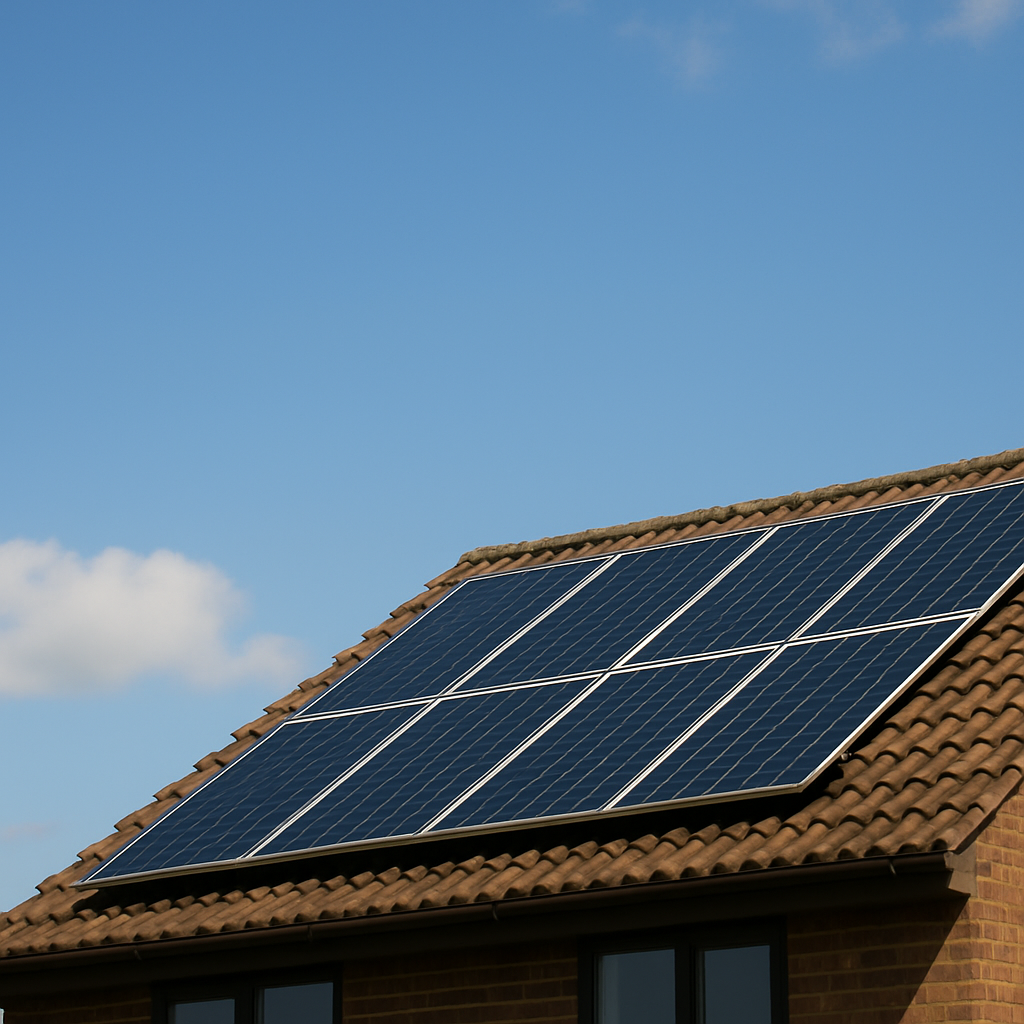
Solar energy has moved from a niche interest to a mainstream solution for UK homeowners looking to cut energy costs and reduce their carbon footprint. With the advancement of technology and helpful tools like a solar panel calculator, it’s easier than ever to understand both the cost and benefits of going solar—often in just a matter of seconds.
The UK has seen a significant rise in domestic solar panel installations over the past decade. This is largely due to increased awareness of climate change, volatile energy prices, and the desire for long-term financial savings. Solar panels allow homeowners to generate their own electricity, which leads to lower bills and a more energy-efficient household. Additionally, the opportunity to contribute to a greener planet by using renewable energy is a powerful motivator for many families.
On average, installing a solar panel system in the UK can cost between £5,000 and £7,000 for a 3kW to 4kW system, which is sufficient for a typical three-bedroom home. The actual cost depends on factors such as the size of the system, the type of panels used, the location and angle of your roof, and whether you include extras like a solar battery or higher-efficiency inverter. While this might seem like a significant upfront investment, it’s worth remembering that solar panels typically last 25 to 30 years and require very little maintenance, making them a smart long-term financial decision.
A solar panel calculator takes the guesswork out of the process by allowing you to enter details such as your postcode, electricity usage, roof direction, and available space. Based on this data, it instantly estimates your system size, upfront cost, expected yearly savings, and payback period. These tools are especially helpful for people who are unsure if solar is right for their property or budget. Some calculators even offer satellite imagery and shading analysis to give you a more accurate picture of your home’s solar potential.
One of the major advantages of solar panels is the long-term financial return. Homeowners can significantly reduce their monthly electricity bills—some by as much as 50–70%. Furthermore, under the UK government’s Smart Export Guarantee (SEG), you can earn money by exporting unused electricity back to the grid. While SEG payments vary by supplier, they provide a valuable income stream that helps shorten the payback period on your system. In many cases, the return on investment is seen in as little as 8 to 12 years, depending on usage patterns and system efficiency.
Though the previous Feed-in Tariff scheme has ended, several incentives and local grants still exist, particularly for households prioritising energy efficiency. Some banks also offer green home loans or mortgages with favourable rates for homes that use renewable energy. It’s worth exploring whether your local council or utility company offers additional incentives to make your transition to solar even more affordable.
Solar panels work best on south-facing roofs that receive little to no shading throughout the day. East- and west-facing roofs can also be viable, though with slightly reduced efficiency. If your roof is north-facing or heavily shaded, solar panels may still work, but you might require additional panels or adjustments to your system design. Even homes with flat roofs or limited space can consider alternative solutions like ground-mounted panels or tilted brackets. A solar panel calculator will help you assess your home’s solar suitability quickly and easily.
Despite the benefits, some homeowners still hesitate due to common misconceptions. One such myth is that solar panels don’t work in cloudy weather. While they do perform better in direct sunlight, panels can still generate electricity under overcast skies—something particularly important for the UK climate. Another concern is the maintenance required. In reality, solar panels are incredibly low-maintenance. Occasional cleaning and an annual system check are typically all that’s needed to keep them running efficiently.
Before moving forward with a solar installation, it’s advisable to get quotes from several MCS-certified installers. They will carry out a detailed assessment of your roof, system size requirements, and potential energy output. This ensures you receive a customised system that meets your specific needs. By combining this information with the data provided by a solar panel calculator, you can confidently decide whether solar energy is a wise investment for your household.
Solar energy is no longer just an environmentally conscious choice—it’s also a financially sound one. With tools like a solar panel calculator, you can quickly estimate your costs, benefits, and payback timeline, without needing to speak to a salesperson or commit to an installation. It’s a simple first step that could lead to long-term energy savings, increased property value, and a lighter carbon footprint. For UK homeowners looking to future-proof their homes and budgets, now is the perfect time to consider going solar.
If you need help with this topic then please fill out the form below and we'll put you in touch with an expert architect local to you who can help. Alternatively you can email us: email us